
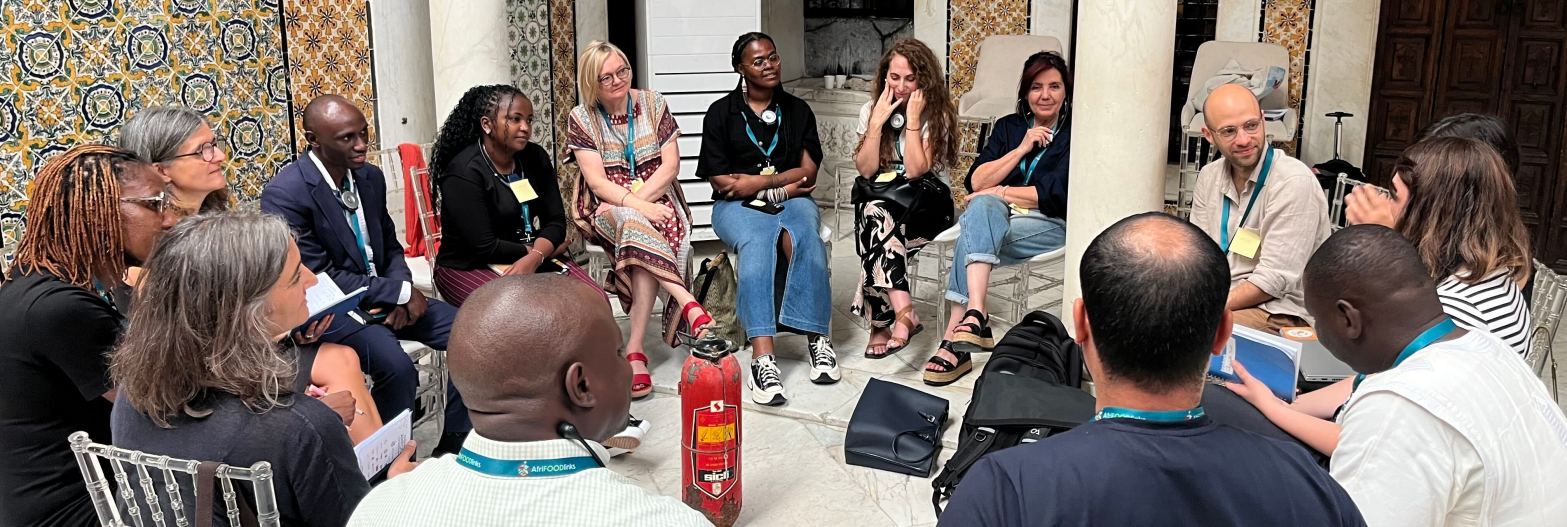
Day 1 | 21 September 2026 | Tunis, Tunisia
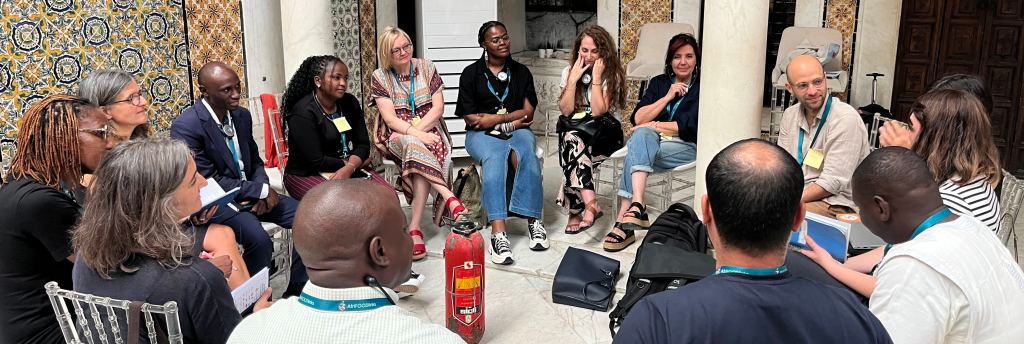
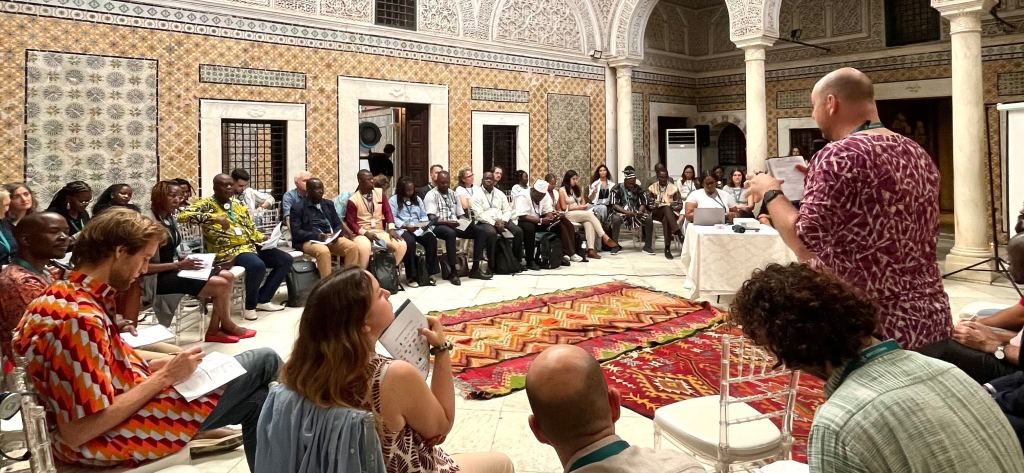
Today marked the beginning of the AfriFOODlinks Consortium Meeting in Tunis, bringing partners together from across Africa and Europe to reflect on four years of collaboration, share experiences and consider the future of urban food systems.
Launched in December 2022, AfriFOODlinks connects more than 65 cities across Africa and Europe, working towards more inclusive, resilient and sustainable food systems. The consortium meeting provides an opportunity to celebrate the work undertaken across these cities, while creating space to reflect on the relationships, challenges and learning that have shaped the journey.
For the South African Urban Food & Farming Trust (SAUFFT), the first day offered an opportunity to reflect on our work alongside informal food traders, communities, local government and other food system actors in Cape Town, particularly in Langa and Bellville.
Putting people at the centre of food systems change
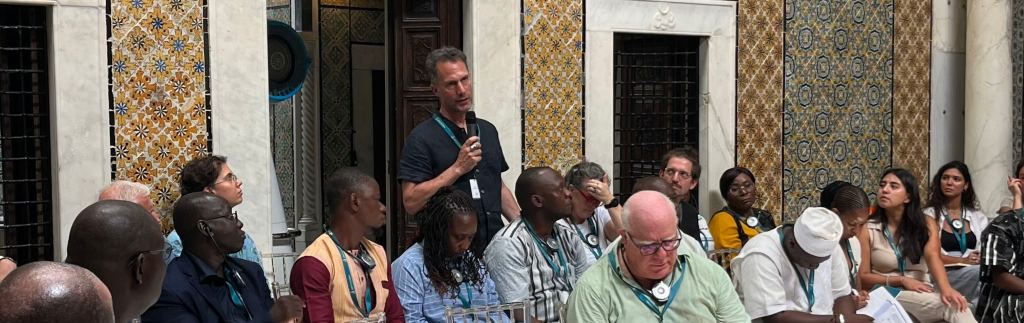
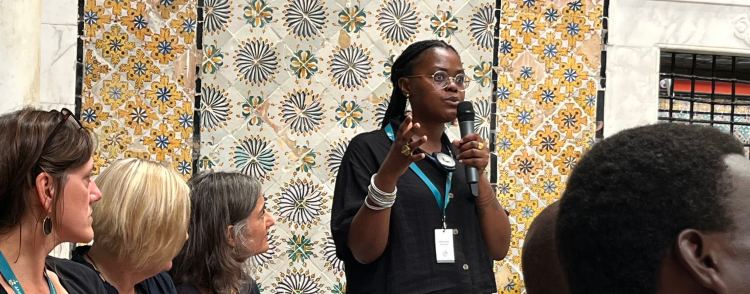
During the session reflecting on achievements across the consortium, SAUFFT CEO Kurt Ackermann and Programmes Manager Rirhandzu Marivate shared insights from SAUFFT’s experience.
Kurt reflected on the role of the Langa Food Council in creating space for a community of approximately 80,000 people within a city of five million to engage with food systems issues. Grounded in existing food actors and relationships, the Council helps strengthen social infrastructure, enables broader participation and creates opportunities for community members to engage with decision-makers and potential partners.
His reflections also highlighted the importance of sustaining these spaces. While community-led processes can open new possibilities, they remain fragile without continued support, meaningful engagement and long-term ownership by residents and local businesses.
Rirhandzu shared lessons from SAUFFT’s work to improve conditions for informal food traders. Navigating regulatory requirements and expensive, highly technical interventions has encouraged the team to explore more practical, affordable and replicable solutions.
The grease trap, for example, illustrates how innovation can respond to waste management challenges while respecting the systems traders already have in place.
Together, these reflections highlighted an important lesson from Cape Town: meaningful change begins with people, their existing knowledge and relationships, and solutions developed in response to their everyday realities.
Learning across cities and work packages
The day also included breakaway sessions, where partners reflected on achievements, challenges and learning from across the programme.
These conversations are an important part of the consortium’s collective effort to understand not only what has been achieved, but also how different approaches can inform future work.
As the AfriFOODlinks partners continue their week in Tunis, the focus remains on sharing knowledge, strengthening connections and exploring how the experiences of African cities can contribute to more inclusive and resilient urban food systems.
For SAUFFT, the conversations reaffirm the importance of working alongside communities and recognising the people who sustain our food systems every day.

