
In early September, Rirhandzu Marivate, Programmes Manager at SAUFFT, attended the Africa Food Systems Forum (AFSF) in Dakar, Senegal, one of the continent’s largest and most influential gatherings dedicated to shaping a more sustainable, inclusive, and resilient food future. The forum brought together more than 6,000 delegates from across Africa, including governments, farmers, entrepreneurs, researchers, and innovators working across the food system.
Rirhandzu’s participation was made possible through the Leading African Women in Food Fellowship, a six-month programme that celebrates women transforming Africa’s food systems. Recognised as an Ecosystem Enabler, she joined the fellowship’s closing celebration at AFSF, marking the culmination of a journey that connected women leading change across the continent.
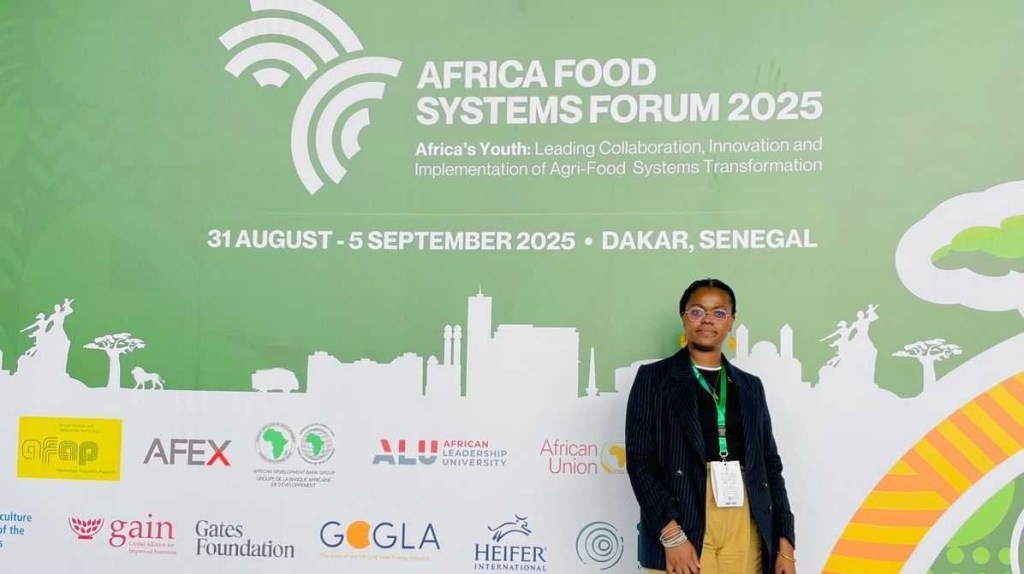
“Both the fellowship and the forum were profoundly eye-opening, offering a broader insight into the dynamic food landscape across Africa,” says Rirhandzu. “They expanded my perspective beyond Southern Africa and introduced me to the electrifying energy of changemakers deeply committed to making a tangible difference.”
For Rirhandzu, attending AFSF was far more than a professional milestone, it was an opportunity to experience the pulse of Africa’s food movement firsthand. Throughout the week, she engaged with youth leaders, innovators, policymakers, and entrepreneurs, gaining valuable insight into the diverse agendas and collaborations shaping the continent’s food future.
She describes the forum as a space that goes beyond discussion: a real platform for action, networking, and partnership building. She witnessed young start-ups forming partnerships with governments, chefs championing sustainable African cuisine through the Chef’s Manifesto, and funders dedicating time to organisations they hope to support.

“The forum provided invaluable visibility to many who might otherwise lack the opportunity to engage with all of these organisations,” she reflected.
While Rirhandzu acknowledges that there are still gaps within the conversations, particularly around agroecology and urban food systems, she remains optimistic.“The platform is genuinely open to incorporating diverse voices,” she says. “Next time, I look forward to being one of those voices highlighting the importance of agroecology and urban food systems.”
For her, the AFSF experience was deeply affirming, both personally and professionally.
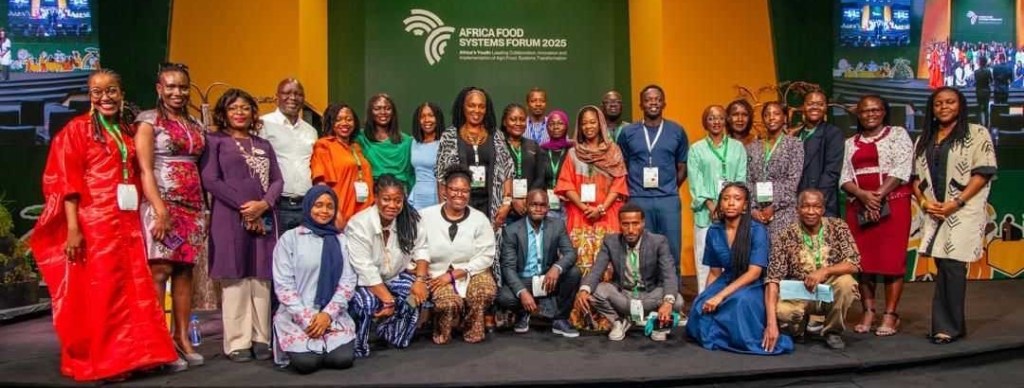
“I am truly honoured to be counted among the women leading the transformation of African food systems,” she shared. “I also had the privilege of meeting amazing women whom I now call sisters in food. We left Senegal with concrete commitments for future projects, so keep an eye on this space!”
For SAUFFT, Rirhandzu’s participation reflects the organisation’s ongoing commitment to strengthening local voices within Africa’s broader food systems dialogue. The insights, networks, and collaborations she brings back will continue to inform SAUFFT’s programmes, from supporting urban and smallholder farmers to amplifying community-driven approaches to food resilience across Cape Town and beyond.
 SA Urban Food & Farming Trust