
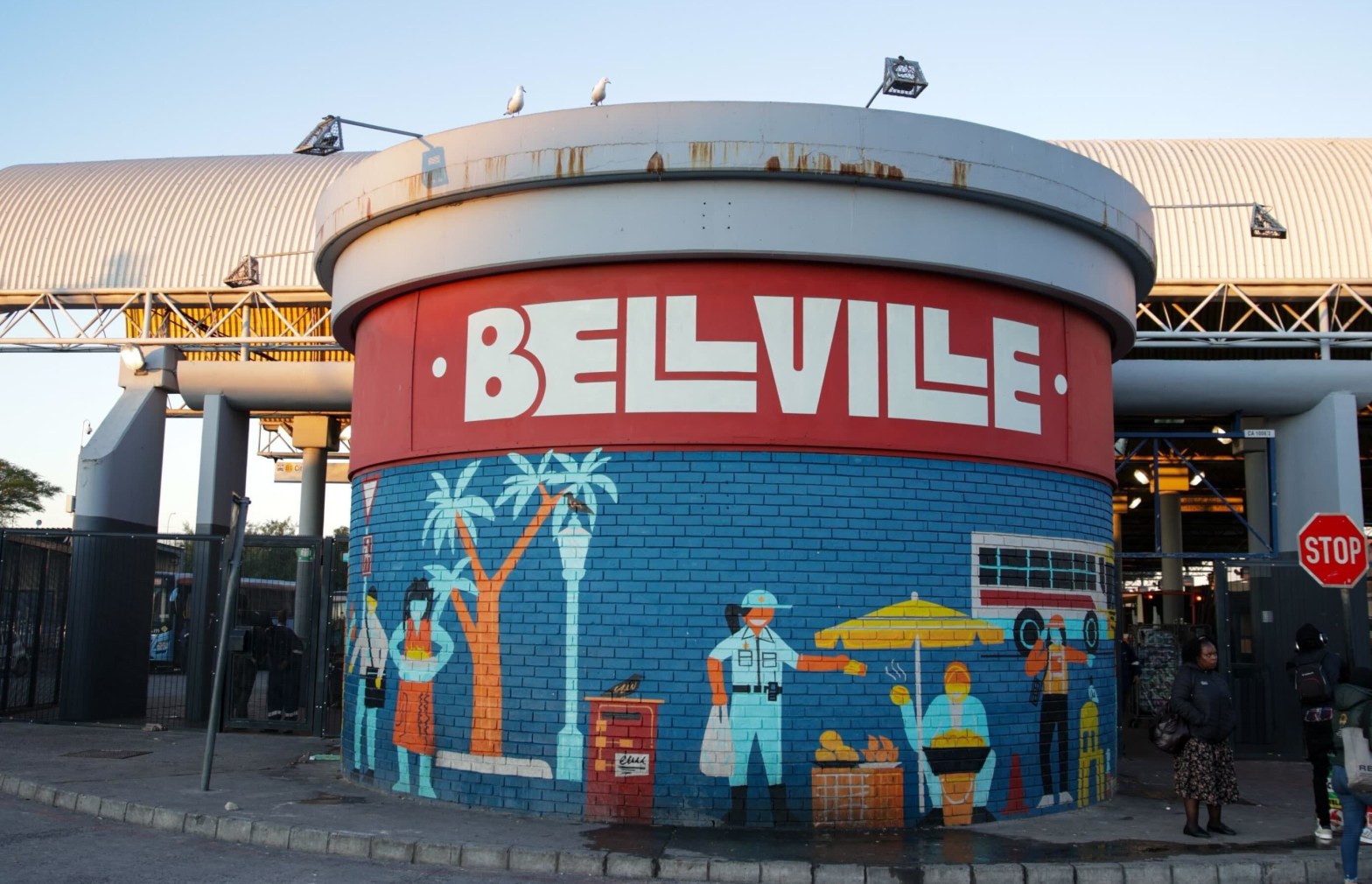
Urban food systems are shaped not just by policies and infrastructure, but by the hands and hustle of everyday traders who feed our cities. To truly understand these systems and support them meaningfully, we must look beyond permits and plans and pay attention to the lived realities of those working on the ground.
This was the spirit behind last week’s informal market activation at Bellville Public Transit Interchange, a collaboration between the SA Urban Food & Farming Trust (SAUFFT) and a network of local partners. Rather than a top-down intervention, the day focused on listening, observing, and learning from the people who trade there every day.
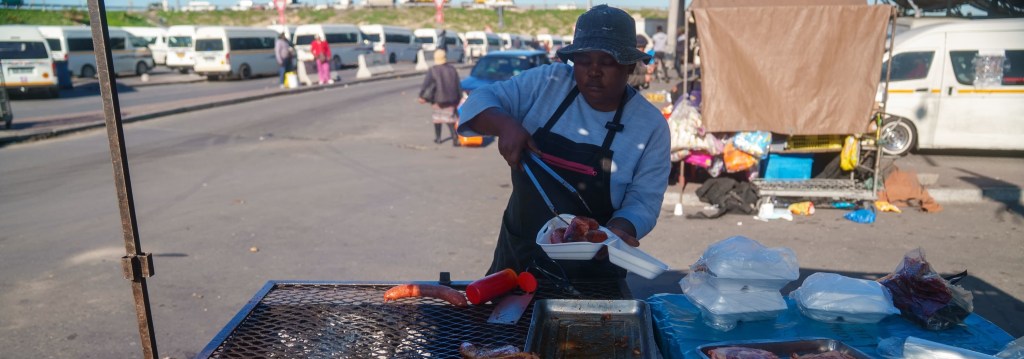
By introducing simple but impactful resources, like access to clean water, a model trading stall, and roaming support teams, the activation created space not just to test ideas, but to recognise and uplift the crucial role of informal traders. Especially food traders, who quietly power the city’s food system, feeding over 60% of Cape Town’s population.
Meeting Practical Needs
At the centre of the day’s efforts was one basic but transformative resource: water. Traders in Bellville often operate without reliable access to clean water, an everyday challenge with real consequences.
For Sarah Khumalo, who sells cooked food to taxi drivers and shopkeepers, water is not just a necessity, it determines whether she can work at all.
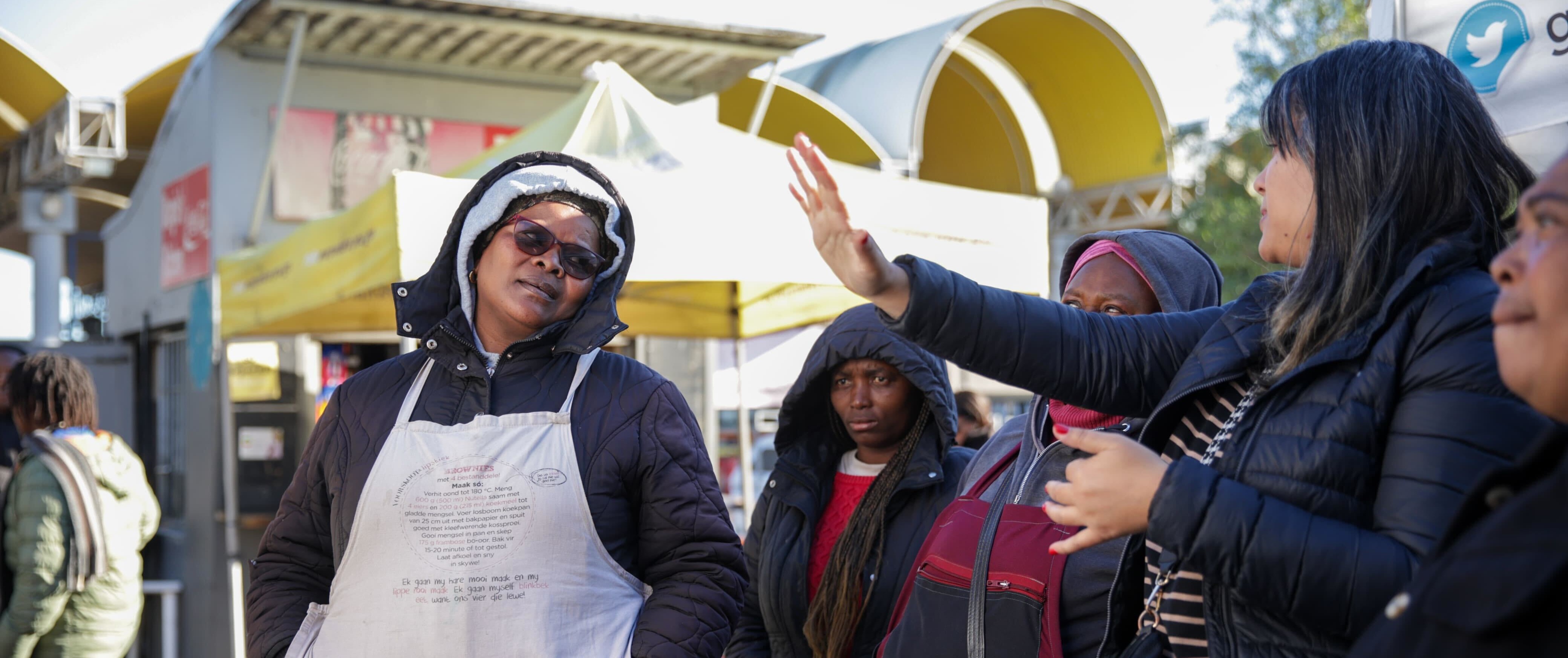
“There are days I can’t cook or wash dishes if I don’t have water,” she said. “I usually buy water from a nearby shop, but sometimes the shop owner refuses. Then I lose customers, what can I do without water?”
To test what difference access can make, the team installed three temporary water points in key areas where traders operate. These were used not only for practical demonstration but also as spaces for informal conversations and feedback. The insights gathered will help shape more permanent solutions in the future.
More Than Just Water
Another key feature of the activation was a newly designed trading stall, medium-sized, durable, and safer than the makeshift setups many traders currently use. It’s part of a longer-term effort to create practical, attractive infrastructure that works for both traders and local authorities.

Alongside this, a mobile support team moved through the market, offering guidance on how to apply for trading permits and meet basic hygiene and safety requirements. For many traders, this kind of hands-on support is rare but essential.
“Sometimes we just don’t know what is expected,” said Ntabeleng Kunyane, who has traded at Bellville since 2009. “This is a good place to work, there are many people, but we still struggle with space, getting permits, and where to keep our stock.”
Why This Matters
Informal traders are more than just vendors. They’re central to Cape Town’s food system and economy. In addition to feeding the majority of the city’s population, they account for around 15% of employment, often supporting families and communities with few other income options.
Yet they continue to face major barriers: poor infrastructure, limited access to services, confusing regulations, and a lack of consistent support. Rather than removing these traders, the real opportunity lies in recognising their value and investing in ways to make their environments safer, cleaner, and more dignified.

“We know that informal traders are essential, for food, for income, for the city,” said Rirhandzu Marivate, Programmes Manager at SAUFFT. “So the question is: how do we make their environment more supportive, without making it harder to trade? That’s what this work is about.”
A Collaborative Effort
The Bellville Market Activation Day was made possible through the energy and commitment of a diverse group of partners:
- The Greater Tygerberg Partnership
- The Local South
- Aweh Migo (graffiti and mural artist)
- Jacqui Samson, urban planner
- Colab Concepts (stall and spatial design)
- We Collaborate (compliance mentoring)
- Oribi Village (enterprise support)
Looking Ahead
While the market day was just one step, it reflects a larger shift in thinking. By centring the voices and everyday experiences of traders like Sarah and Ntabeleng, this work aims to create public spaces that support dignity, livelihoods, and local food access.
As Rirhandzu puts it: “This isn’t about ticking boxes. It’s about real people, real food, and real impact.”
This is part of a broader set of urban food system interventions under AfriFOODlinks, a continent-wide initiative working across more than 65 cities to strengthen food security and build inclusive, sustainable food systems. SAUFFT’s focus in Bellville and Langa is on informal markets, exploring how partnerships between traders, government, and civil society can help shape better futures.
 SA Urban Food & Farming Trust