
Overview
Since 2019, the SA Urban Food & Farming Trust has been selected to run the Environmental Entrepreneur Support Initiative (EESI) programme of the Global Risk Governance Programme at the University of Cape Town. Undertaken in conjunction with the Mauerberger Foundation, EESI identifies and builds grassroots entrepreneurial capacity emergent from local community contexts to address challenges caused by anthropogenic change.
Each EESI entrepreneur has worked at increasingly broad scales of impact to create entrepreneurial opportunities and build capacity among community members, leading to stronger resilience within the community:
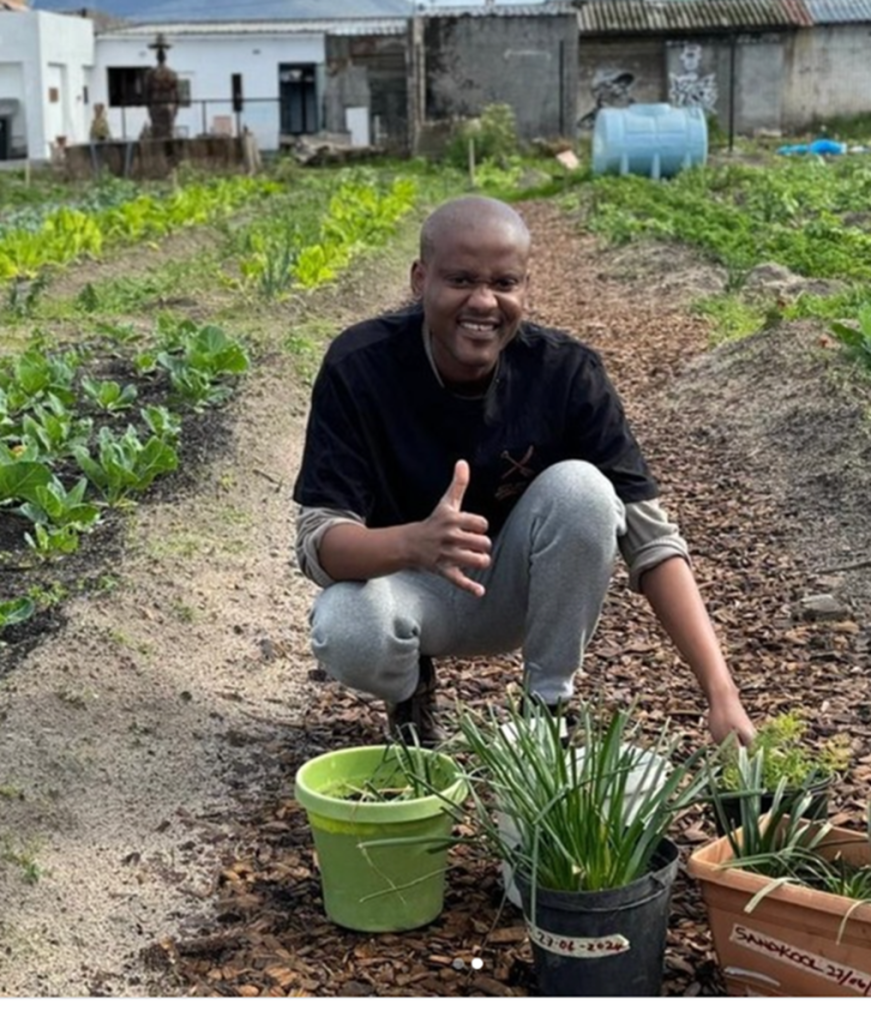
- The first EESI entrepreneur developed a concept through his work in two schools with food gardening, and brought to market an affordable, low-tech, robust product that helped those schools as well as vulnerable residents of under-resourced communities who purchased his product to grow food in a water-scarce, drought-ravaged environment.
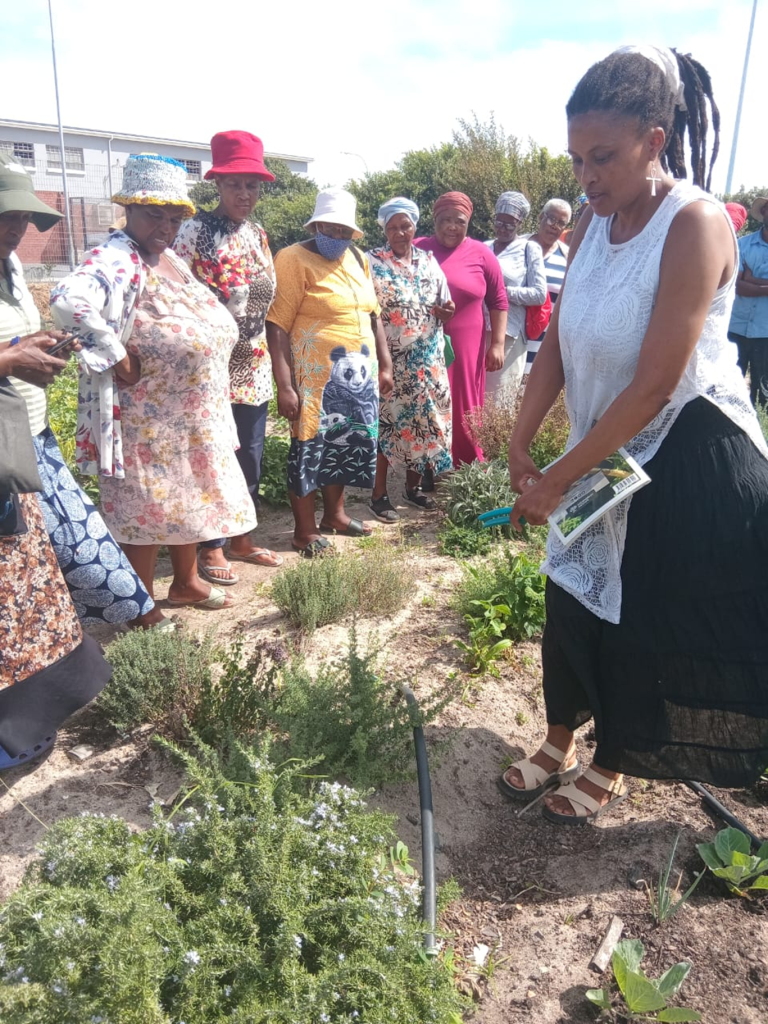
- The second entrepreneur helped 23 food gardens in Langa introduce drought-tolerant, resilient indigenous crop plants that improved farming yields from existing conventional crops, created new income streams from harvesting the indigenous plants, and improved environmental quality on their farms and in the surrounding areas of their community.
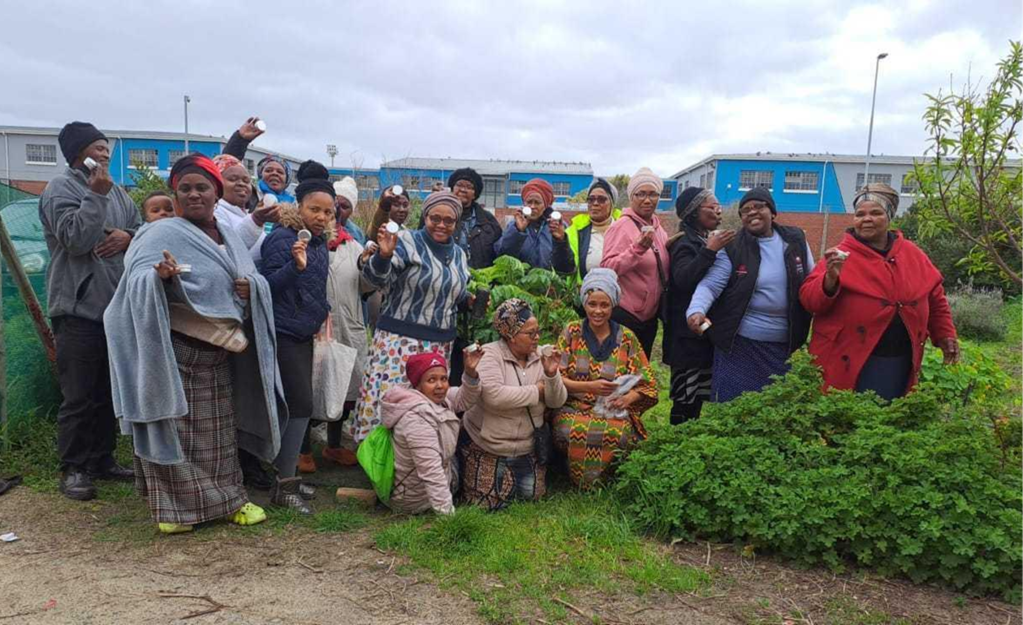
- The third entrepreneur built on this to help 54 farmers in Khayelitsha use their harvests to intentionally improve the nutrition of their households, impacting 270 people, while also earning additional income from the sale of harvested items and items they had processed through fermentation, pickling and other forms of preserving or agri-processing. The farmers’ households have improved nutrition, their incomes have increased, their overall well-being has improved, and the benefits of growing indigenous crop plants were expanded.
Through this journey from 2019 to early 2025, we have seen the potential to tap into the deep local knowledge and entrepreneurial energies of vulnerable residents of under-resourced communities, and at the grassroots level through food growing activities (i.e., farming, harvesting, preparing and processing) to support them in addressing for themselves the shocks and stresses caused by climate change, such as drought, disrupted and intensified rainfall patterns, elevated temperatures and extreme heat events. These initiatives have brought benefits at personal, household and community levels, across financial, health and environmental measures.
EESI will build on this trajectory of broadening impact with a more explicit focus on the shocks and stresses caused by climate change. We envision increasing numbers of vulnerable residents of marginalised communities taking the lead in identifying and implementing the solutions and responses that make sense for them, particularly women, leveraging the existing skills, tools, ecological and built infrastructure, social capital and other assets available through urban farming and farmer networks.
Learn more about the EESI Programme.
 SA Urban Food & Farming Trust