
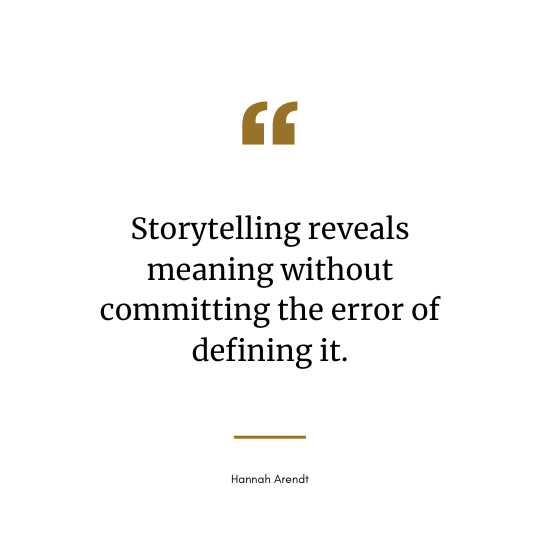
Urban food systems are as much about people and their lived experiences as they are about policies, data, and logistics. To truly understand and transform these systems, we must capture the stories of those embedded within them.
This was the essence of yesterday’s Ethnography Masterclass, a session at the AfriFOODlinks Consortium meeting designed to elevate the role of storytelling in research. By exploring practical techniques for capturing authentic and deep narratives, the masterclass highlighted storytelling as a critical tool in urban food systems research.
Insights from the Masterclass
Co-facilitated by Thandi Mancoba, Research, Communications, and Events Officer at the South African Urban Food & Farming Trust, and Gareth Haysom, lead researcher from the African Centre for Cities, the masterclass offered a dynamic blend of theory and practice. It created a space for participants to ask questions, reflect, and sharpen their storytelling skills.
For some participants, the session provided a fresh perspective on the role of storytelling in their work.
Fru Wanka, a researcher at ICLEI Africa, shared how the session clarified the difference between interviewing for research and interviewing for storytelling.
“Within my research work, I conduct interviews with a preconceived idea of what I’d like to get from the interview. What I learned today is that I must do the opposite when interviewing for ethnographies. I must not try to control the narrative but rather allow the person I am interviewing to tell their story in the most authentic manner possible,” she explained.
This shift in mindset—moving from structured data collection to open-ended storytelling—was a powerful takeaway.
For Aziz Chebbi, Project Manager at the Observatory of Food Sovereignty and Environment (OSAE) in Tunisia, the practical exercise was the highlight of the session.
“The theory shared during the masterclass was understandable but the most beneficial section was the exercise where we had to practice storytelling using what we learned. This gave me confidence that I can implement what I have learnt, ” Aziz said.
He also reflected on how storytelling could help him build stronger relationships with the communities he works in, even though his primary role in AfriFOODlinks does not focus on ethnographies.
The masterclass wasn’t just about imparting knowledge—it was also a collaborative space where facilitators and participants learned from one another.
“It was an opportunity to not only share our knowledge but also to learn from researchers who might view the process of ethnographies differently,” said Thandi Mancoba.
The session’s goal was clear: to foster collaboration, identify gaps in current methodologies, and develop solutions tailored to the diverse contexts of participants’ countries and cities.
“The point of the session was to learn from each other, identify gaps in the processes we use, and try to find solutions that suit everyone. Hopefully, everyone left feeling like they had gained something,” Thandi added.
Why Ethnographies Matter in Urban Food Systems Research
Urban food systems are shaped by a diverse range of actors—from community members, informal traders, and small-scale farmers to city officials and policymakers. Each actor brings unique challenges, priorities, and contributions to the table. Ethnographic research allows us to uncover these perspectives, revealing the interconnectedness of individuals and the systemic issues they face.
Ethnographies are particularly valuable for amplifying marginalised voices, such as informal traders who play a vital role in feeding urban populations but are often excluded from policy discussions. By exploring their stories, researchers can identify key challenges, such as inadequate infrastructure or restrictive policies, and work towards solutions that address these issues.
By integrating these insights into broader research and policymaking, ethnographies ensure that interventions are grounded in the lived realities of those most affected. This makes solutions more inclusive, sustainable, and impactful.
The South African Urban Food & Farming Trust
SAUFFT supports collaborative urban food gardens, social farms, agri-food gardens, social farms, agri-food hubs and markets to build socially, ecologically and economically resilient communities in cities. Incorporating storytelling in the work we do uncovers the social, ecological, and economic challenges communities face, fostering understanding and collective action.
Follow SAUFFT on LinkedIn, Instagram, and Facebook for updates and stories throughout the consortium and beyond.
AfriFOODlinks is funded by the European Union and coordinated by ICLEI Africa.
 SA Urban Food & Farming Trust